
A new qualitative study from Trinity College Dublin reveals the emotional and physical toll of psychiatric drug withdrawal—and the lack of professional support available to those trying to stop
An article published in Health Expectations finds that people withdrawing from psychiatric drugs often experience difficult withdrawal symptoms, a lack of support, trouble finding tapering resources, anger, frustration, loneliness, and hopelessness.
In the work, led by Miriam Boland of Trinity College Dublin, participants also outlined several areas for improvement around reducing and stopping psychiatric drugs, including: increased access to tapering resources and support, increased oversight of the pharmaceutical industry, increased accountability and better training for healthcare professionals, better informed consent around the addictive nature of psychiatric drugs, and decreased stigma around reducing and stopping psychiatric drugs. The authors write:
“This study identified numerous challenges faced by respondents when discontinuing psychiatric medication, the uncertainty that prevails in terms of the best tapering strategy and the emotional impact of taking and/or stopping psychiatric medication. The findings also highlight the importance of support during the discontinuation process,in particular psychosocial supports, and areas that could be targeted to improve the withdrawal process.”
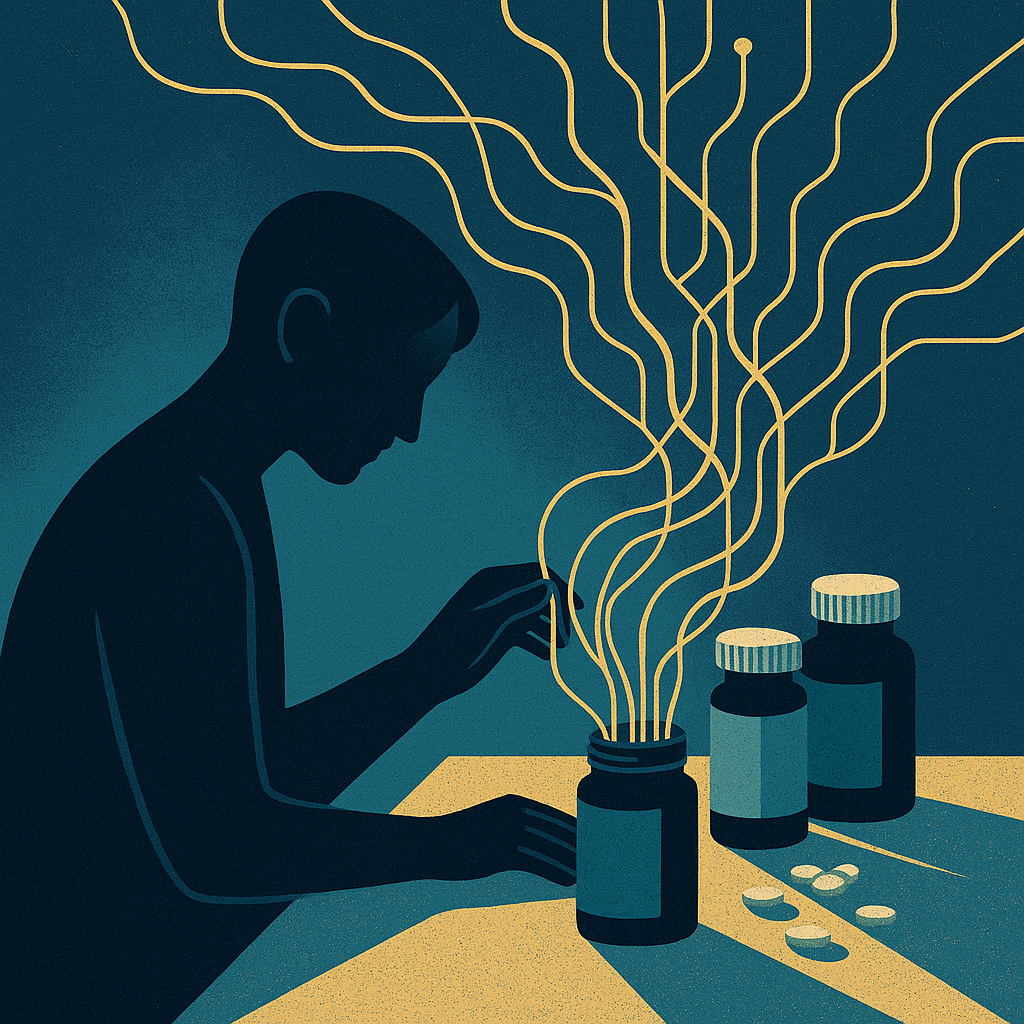
The goal of the current work was to report participants’ experiences and views on reducing and stopping psychiatric drugs.
The authors used data from the Priority Setting Partnership (PSP) study, an investigation of the main research priorities around reducing and stopping psychiatric drugs. As part of that research, participants were given an anonymous online survey that asked them to list their questions and uncertainties around stopping and reducing psychiatric drugs. This survey also included a section for additional free-text comments. The current work is an analysis of those additional comments in which the authors coded responses for recurring themes.
Participants were recruited through social media and emails/newsletters distributed by organisations that supported the study. The authors note that while there were no target sample sizes for different demographics, efforts were made to target underrepresented stakeholder groups.
To be eligible for inclusion in the current work, participants had to belong to one of three stakeholder groups: people with lived experience of using and or stopping psychiatric drugs, family members/carers/supporters of the first group, and healthcare professionals. Participants also had to be at least 18 years old. In total, 705 PSP study participants filled out the additional comments section of the PSP survey. After removal of out-of-scope responses, 508 participant replies were included in the current research.
The majority of participants were people with lived experience of psychiatric drugs (77%). Healthcare professionals accounted for 13% of participants, and family/carers/supporters accounted for 10%. 77% of participants were female. People from all over the world were represented in the current work, including the United States (42%), the United Kingdom (21%), Ireland (10%), Europe (13%), Canada (6%), Oceania (5%), Africa (<1%), Asia (2%), and Latin America (<1%).
Participant Experiences and Views of Psychiatric Drugs
The authors found six major themes in responses from participants: experiences of psychiatric medication, challenges to reducing/stopping psychiatric medication, strategies used to reduce/stop psychiatric medication, outcomes of reducing/stopping psychiatric medication, emotional context, and areas for improvement.
Experiences of psychiatric medication
This theme was divided into benefits/harms and decisions around reducing/stopping psychiatric drugs. While some participants did report benefits, harms were more common. One participant with lived experience said:
“I am, a healthy, fit and socially active senior who is taking one medication that makes her life liveable.”
Reports of adverse effects from these drugs were common, with one family member/carer/supporter saying:
“They don’t work, lives are put on‐hold for years for withdrawal, and many are being left with life‐altering harms.”
Some healthcare professionals mentioned overprescription and detrimental effects to quality of life:
“I think they are often overprescribed and often there is no improvement in quality of life, yet the medication is not stopped and then goes on to have detrimental effects. “
Adverse effects were the main reason people gave for deciding top reduce/stop these drugs, with reports of headaches, nausea, and suicidal thoughts. One participant said:
“I took an SSRI for 6 months, became increasingly depressed and suicidal, then tapered off. “
People with lived experience also reported fear of the withdrawal process, with one directly reporting that:
“I’m scared to start tapering again.”
One healthcare professional said the biggest barrier to people reducing/stopping these drugs was the public perception of pills as effective treatments:
“The public has been given a consistent message that antidepressants are the most effective (and convenient) way to address feelings of low mood. It can be a great challenge to explain the limitations of medication treatment… I find that addressing this challenge is the major difficulty in weaning patients off medication (rather than the tapering process itself). “
Challenges to reducing/stopping psychiatric medication
Commonly reported challenges included lack of support and recognition of withdrawal symptoms, lack of tapering resources, lack of autonomy, and withdrawal. One participant with lived experience reported unhelpful healthcare professionals who would not acknowledge the reality of withdrawal:
“Doing it my own way since I have zero help from my current doctors who look at me like I have two heads when I talk about withdrawals.”
Healthcare professionals reported that reluctance to help with reducing/stopping psychiatric drugs was related to lack of knowledge around tapering, disbelief that withdrawal was real or severe, and fear of criticism from their peers. One participant with lived experience also reported difficulty due to a doctor who insisted on a rapid rather than a gradual tapering. Another participant with lived experience described withdrawal as follows:
“The hell endured in protracted withdrawal is the stuff of demonic nightmares.”
Strategies used to reduce/stop psychiatric medication
Participants reported attempting abrupt discontinuation of these drugs as well as tapering, with the latter having better results. Participants also mentioned using other drugs as support for reducing/stopping psychiatric drugs, such as clonazepam and propranolol. A minority of participants pointed to non-drug support, such as diet, therapy, and online peer support groups.
Outcomes of reducing/stopping psychiatric medication
While some participants reported positive outcomes of reducing/stopping psychiatric drugs, adverse outcomes were more common. One person with lived experience said:
“Getting off the antipsychotic I was on has freed me from toxic psychiatry, brought more feeling, authentic emotion, more life, and more appreciation of life.”
A healthcare professional also reported increased functioning for people coming off these drugs:
“MOST patients become more socially and occupationally functional AFTER I reduce their polypharmacy.”
However, the majority of participants reported negative outcomes, including debilitating withdrawal, loss of function, suicidal thoughts, and relapse:
“I lost 2 years of work, was tempted to take my own life several times and am still not healed completely. “
Emotional context
Participants with lived experience often reported feelings of anger and frustration at not having been told about the risks of psychiatric drugs, as well as regret for having started these drugs in the first place:
“I am angry that I have been put on this medication and not told what could happen to me. “
“For many, many times I wished I could go back in time and never lay my hands on any of them. “
Loneliness and hopelessness were also common among participants with lived experience. One person reported that:
“Withdrawal is the worst, indescribable, socially isolating experience. “
Another said:
“I had to do this all on my own, I lost everyone and everything important. “
Areas for improvement
Participants identified several areas for improvement around reducing/stopping psychiatric drugs, including:
- increased access to tapering resources and support
- increased oversight of the pharmaceutical industry
- increased accountability and better training for healthcare professionals
- better informed consent around the addictive nature of psychiatric drugs
- decreased stigma around reducing and stopping psychiatric drugs.
The majority of respondents had lived experience of psychiatric drugs. This made comparisons between groups difficult. There was no data collected on which drugs the participants were using. Self-selection bias may have been present, with people who had negative experiences of psychiatric drugs possibly being more likely to complete the survey. The online nature of the survey may have excluded some groups. For example, people suffering from severe mental “illness” may have fewer digital skills and be less able to express themselves in written words.
Previous research has found that reducing/stopping psychiatric drugs, including antidepressants, antipsychotics, and benzodiazepines, often results in life-altering withdrawal symptoms. These symptoms can sometimes last for years after stopping these drugs. Withdrawal is commonly misdiagnosed as “mental illness”, a fact that confounds findings in trials and testing of psychiatric drugs.
Although tapering of the drugs is the safest way to stop and the best way to avoid the worst withdrawal symptoms, research has found that mental healthcare professionals are reluctant to assist service users with tapering.